The Aswan High Dam at a glance
The High Dam protects Egypt from floods, stores water and produces electricity. It is not the same structure as the older Aswan Low Dam, so check which one a tour offer means. Behind the High Dam lies Lake Nasser, the large reservoir that reaches far to the south.
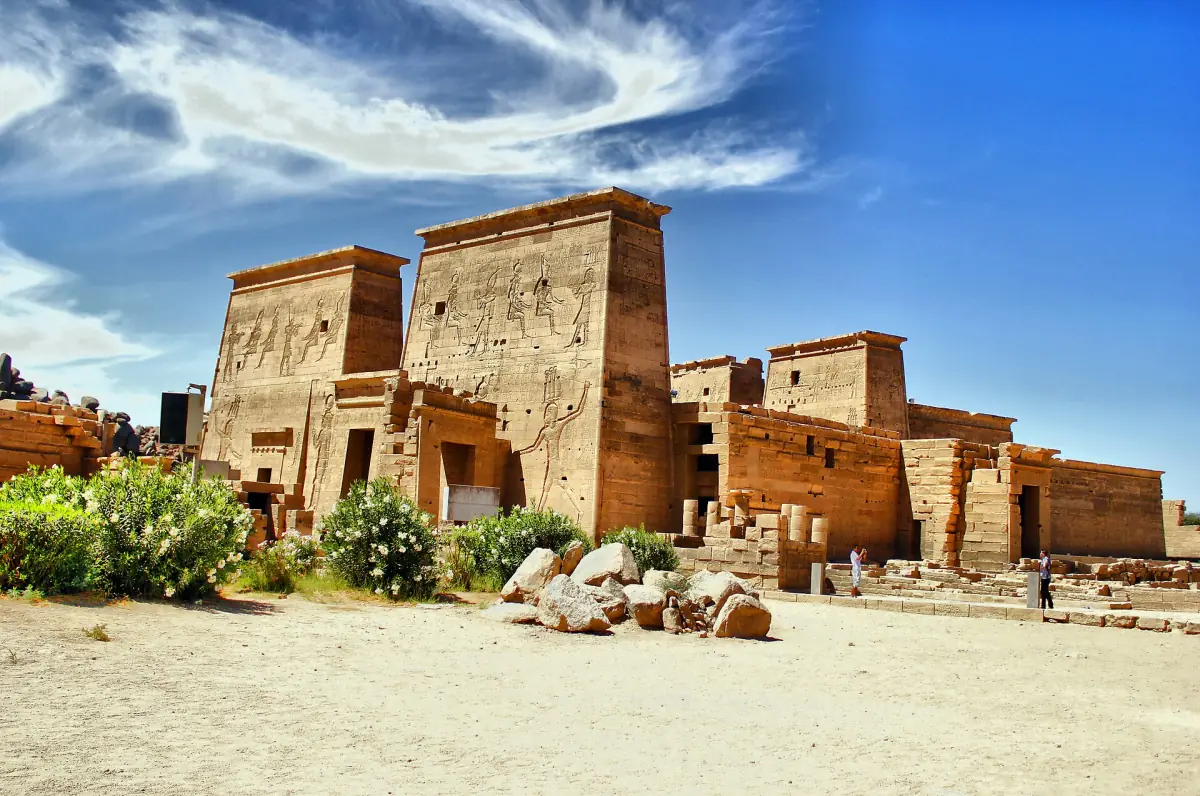
For most visitors the dam is one stop on a day that also includes Philae and the Unfinished Obelisk. Ask your operator about tickets and opening hours on your day. This page sticks to dates, measurements and practical points. It is an independent guide, not an official site.
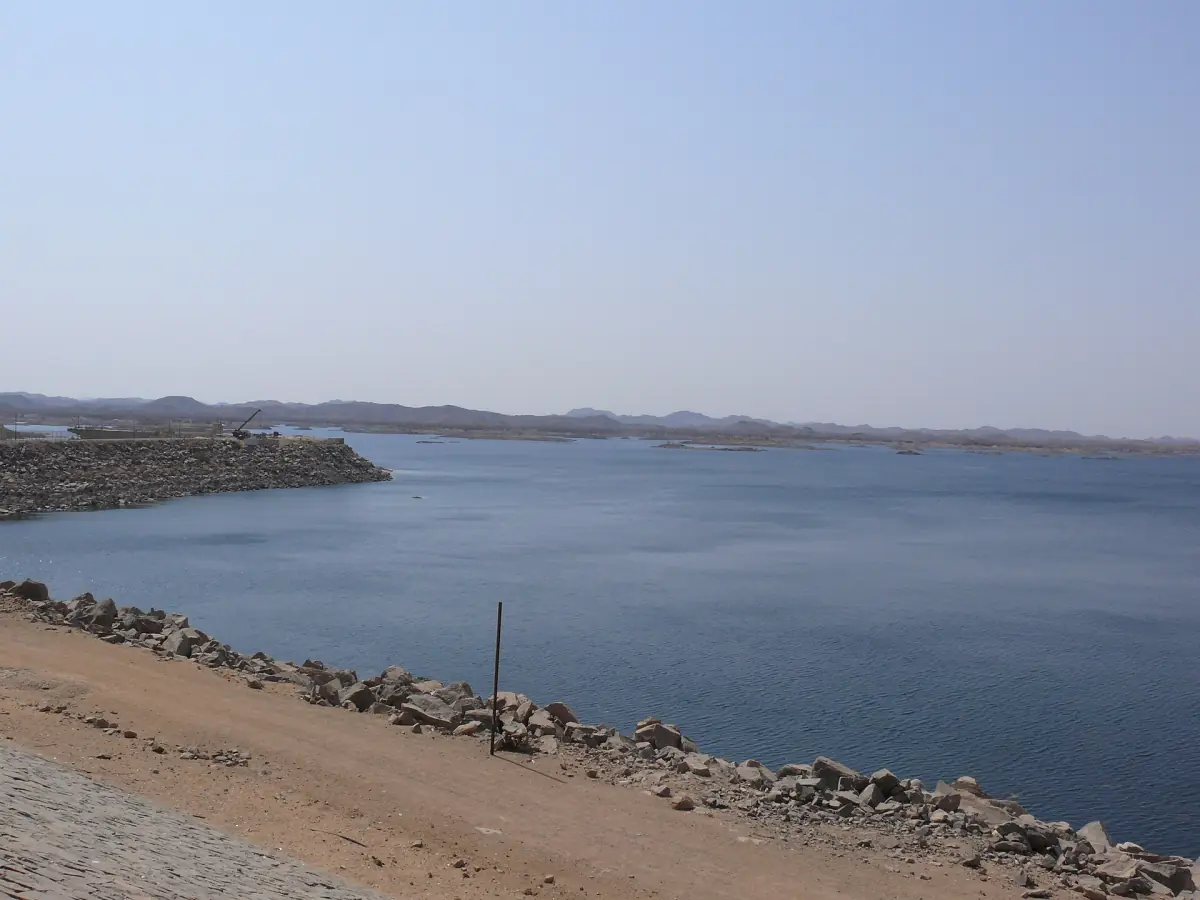
Key dates and numbers
Figures from the page of the Ministry of Water Resources and Irrigation on the High Dam.
| Event or measure | Date or value |
|---|---|
| Start of construction | 9 January 1960 |
| River diverted and storage begins | May 1964 |
| First electricity | October 1967 |
| Dam body finished | July 1970 |
| Official inauguration | 15 January 1971 |
| Crest length | 3,830 m |
| Height above the riverbed | 111 m |
Our picks: High Dam tours
Two tours that combine the dam with the Unfinished Obelisk and Philae.
Hand-picked tours, booked through GetYourGuide. Prices are indicative starting prices in US dollars (as of October 2026). Tap a tour for live availability and the current price in your currency.
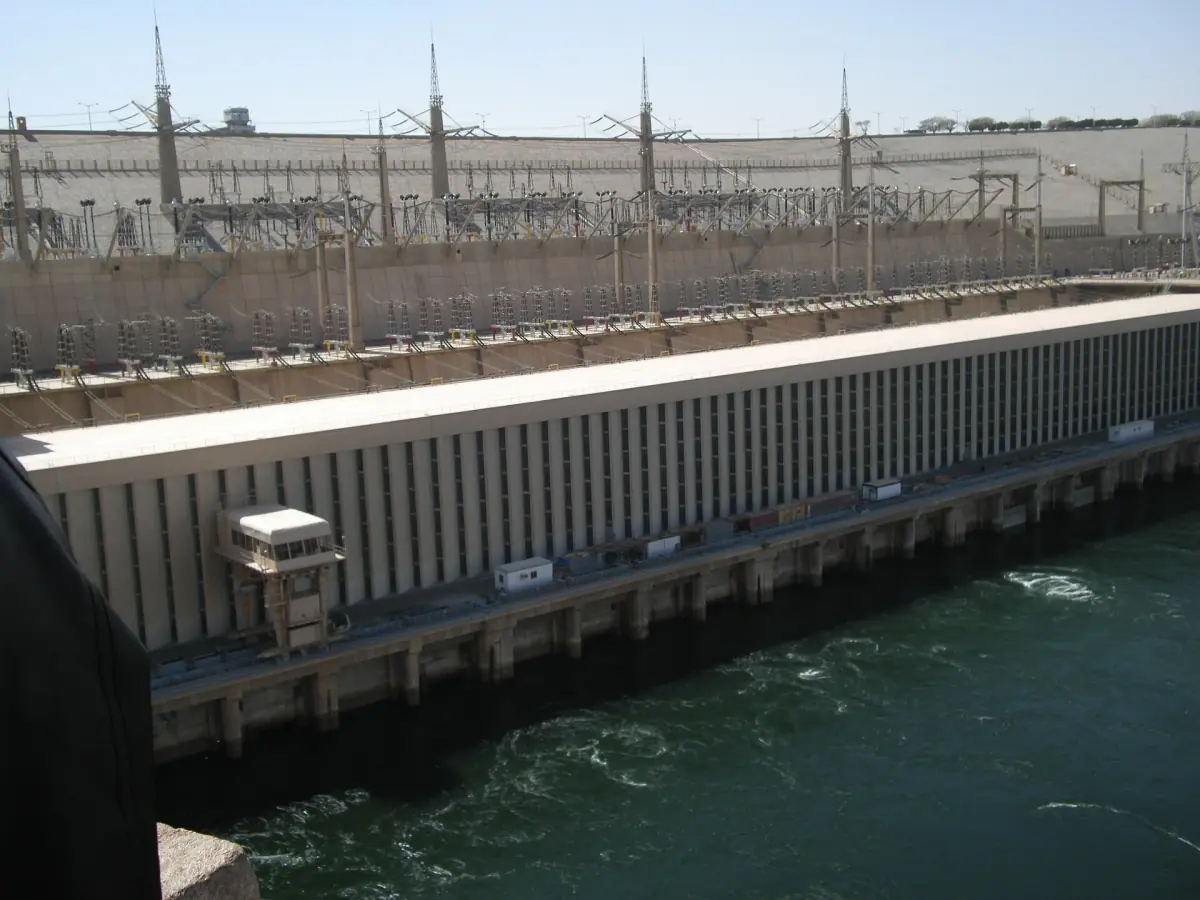
High Dam, Unfinished Obelisk, Philae and a Nubian village
Six hours with an English-speaking Egyptologist, hotel transfer, the Philae boat and entry fees included. Pickup from Gharb Soheil or the islands costs $10 per person extra.
Check availability →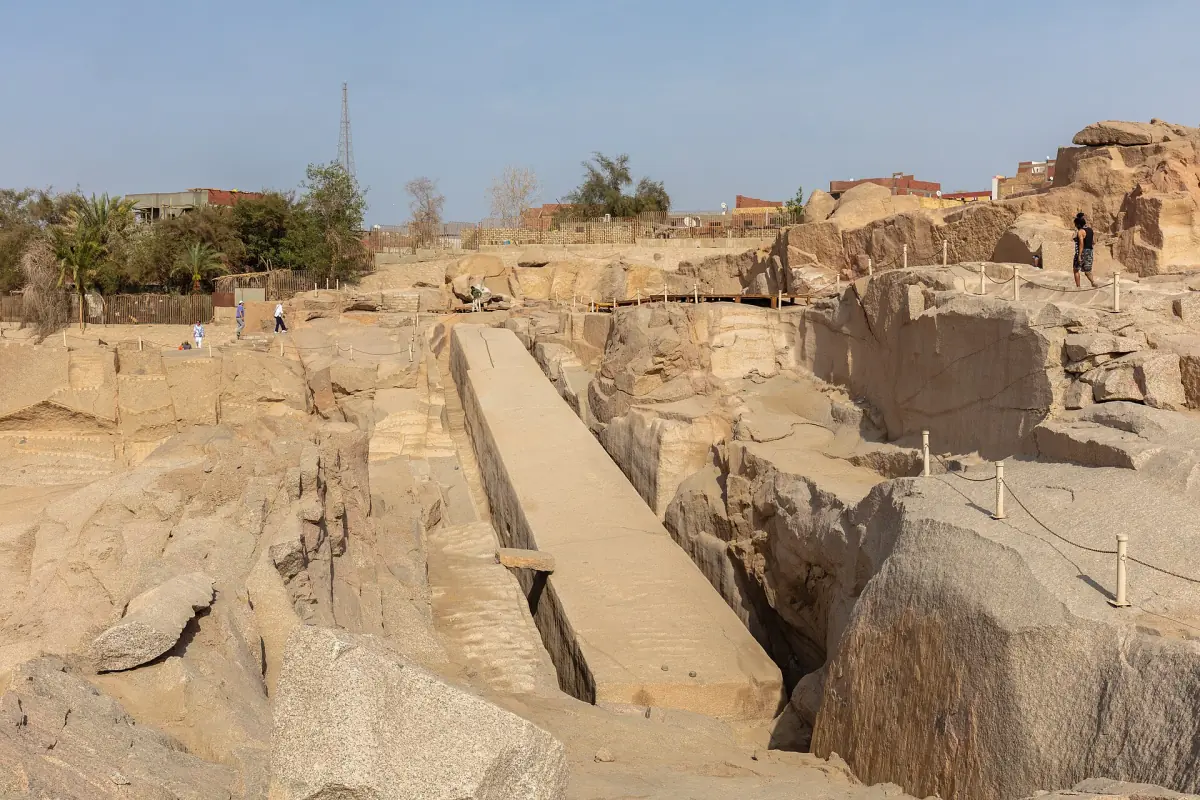
Private tour: High Dam, Unfinished Obelisk and Philae
Four hours with an English-speaking guide, hotel transfer and the boat to Philae. Entry fees are only included if you pick the matching option.
Check availability →Aswan High Dam tours
Trips that combine the High Dam with Philae and the Unfinished Obelisk, plus longer excursions from Aswan, with live prices and availability.
Visiting the dam: what to expect
A local operator lists the High Dam as a road stop on a trip with Philae and the Unfinished Obelisk. That shows a visit is possible. It does not mean you can enter the power station or security areas, so follow the instructions of staff on site and ask your guide before you take photos of the structure.
The same operator lists $120 for 1 to 2 guests for the three sights together in 2026, with car, driver, guide and boat but without entrance tickets. The trip starts from the east bank, and pickup on the west bank costs extra. For the other two sights, see Philae Temple and the Unfinished Obelisk.
Entrance fee
An older press report is the reference for the fee. A press report of 23 November 2024 on Ministerial Decision 350/2024 listed, from 1 September 2024, EGP 200 for foreign visitors and EGP 150 for children aged 6 to 12 for the High Dam and the Friendship Monument. Climbing the monument was a separate item. Treat this as an older reference, not a 2026 price, and confirm the fee with your operator. Do not assume a ministry archaeology ticket applies here, because the dam is a water-management site.
Lake Nasser
Lake Nasser is the reservoir created by the High Dam. The Egyptian Environmental Affairs Agency names it as the natural habitat of Nile crocodiles and says the natural populations live in the lake, not in the Nile between Aswan and the delta. The agency also warns that private keeping and illegal trade in crocodiles endanger people, animals and the environment. Do not touch or hold crocodiles that are offered for photos.
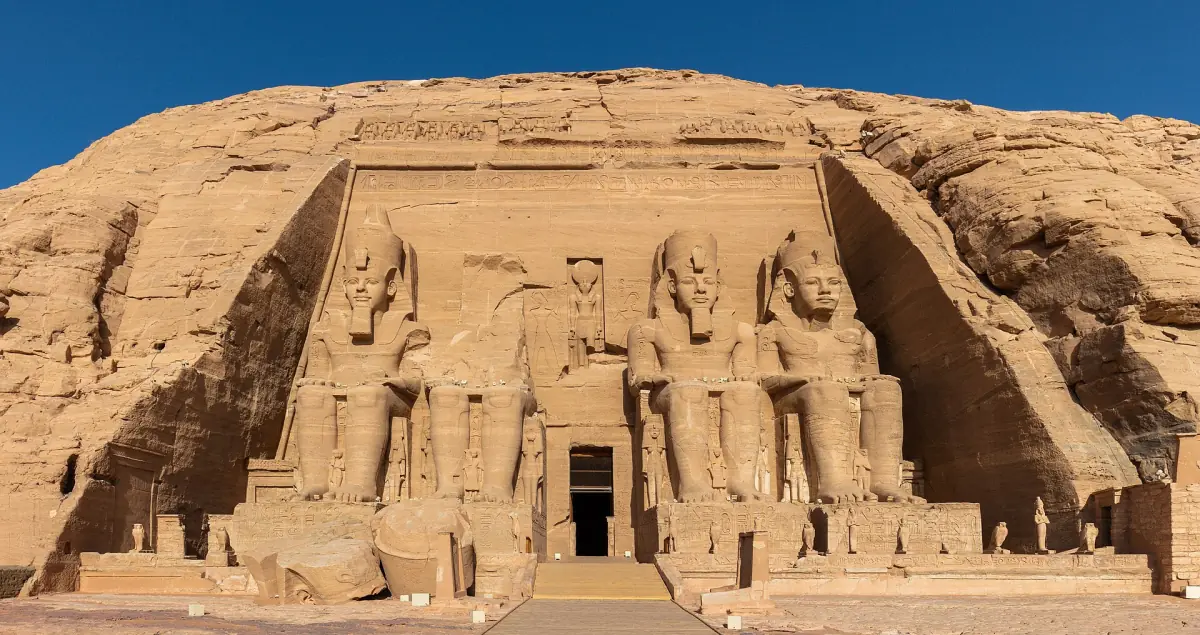
The lake also explains two of the region's best-known relocations. The temples of Philae stand on Agilkia island, and the temples of Abu Simbel were moved to save them from the reservoir. Read more on Abu Simbel from Aswan.
The dam and the Nubian villages
The dam changed the lives of many Nubian families. Amnesty International describes how thousands of Nubians were displaced by the state from southern Egypt in 1964, in connection with the dam and the flooding of villages. In the 1960s resettlement areas were created, among them desert land near Kom Ombo. This is history, not a recent event.
Some Nubian activists and associations demand return and compensation. They refer to Article 236 of the 2014 constitution. That is the position of those groups, and it should not be attributed to every Nubian. For the culture, food and homes of the people today, see Nubian culture in Aswan.
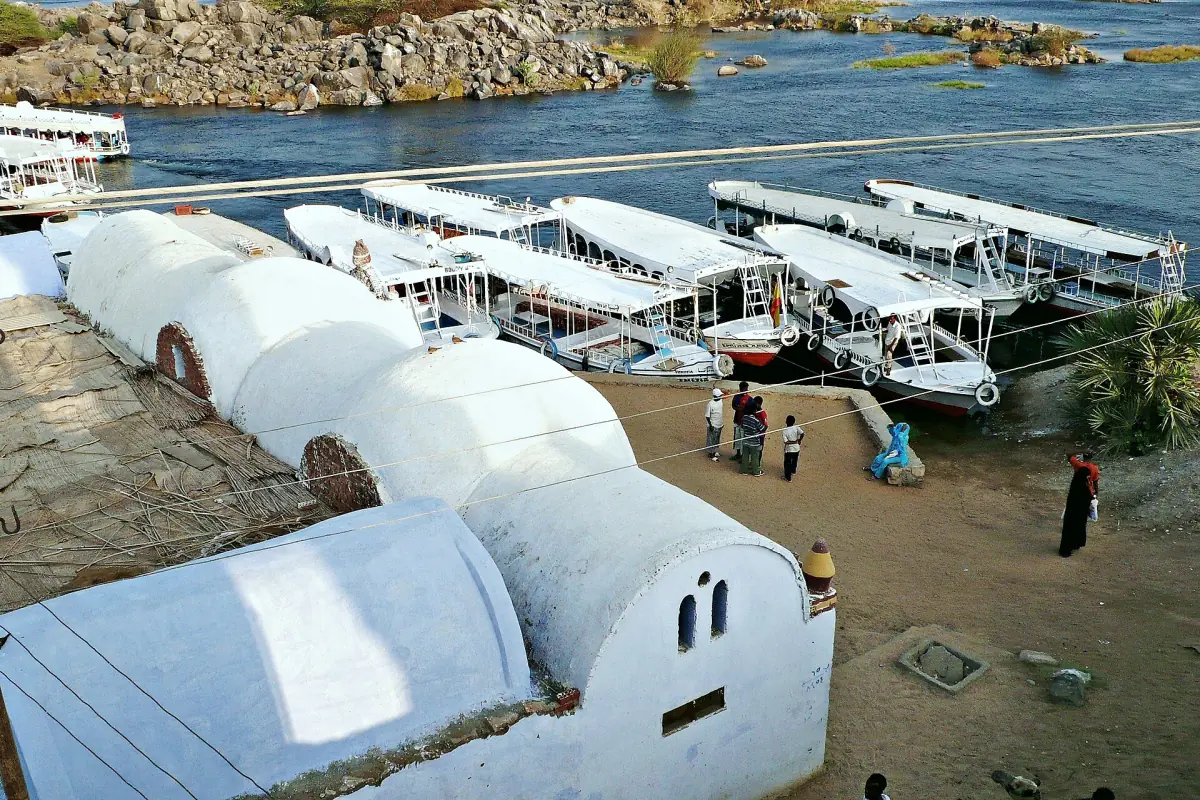
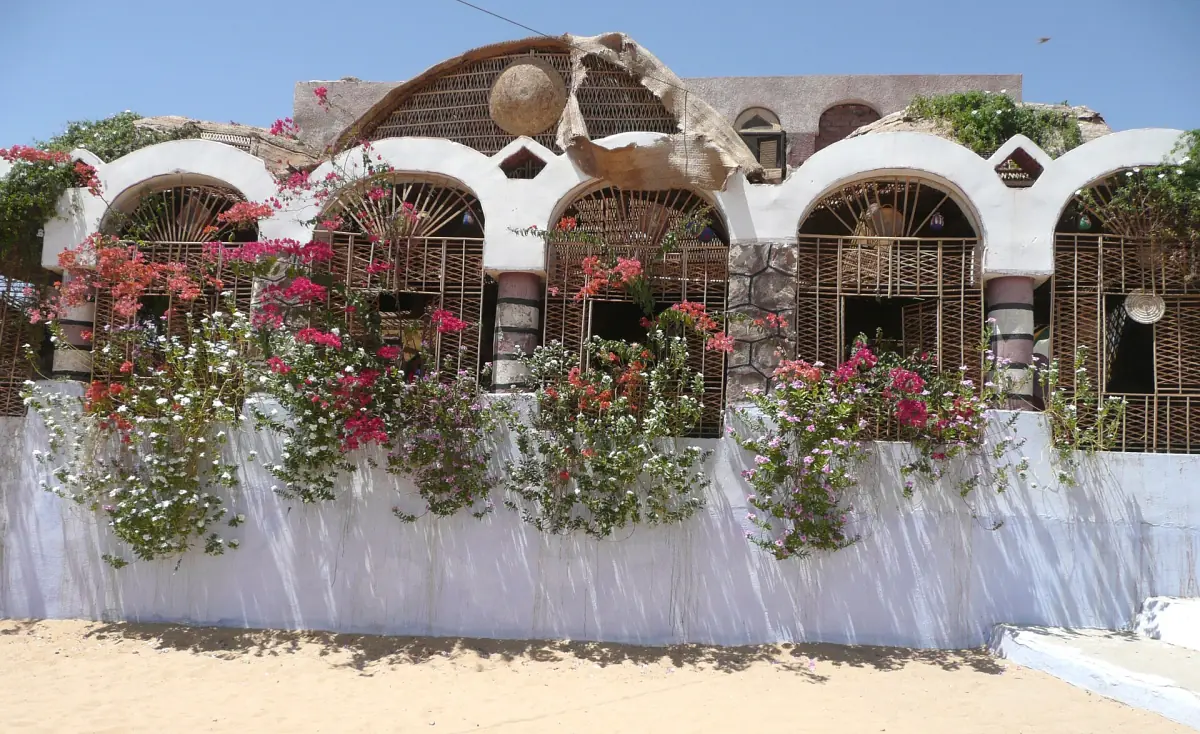
Please keep this in mind when you visit villages near Aswan. Nubians are residents with their own history, not a sight. Ask before you photograph anyone, and treat guesthouses as places to stay.
More from Aswan
Travelling on toward Luxor after Aswan? Getting to Luxor covers the other end of the route.
Aswan High Dam: frequently asked questions
When was the Aswan High Dam built?
Construction began on 9 January 1960, the dam body was finished in July 1970 and the official inauguration was on 15 January 1971. The first electricity came in October 1967.
How big is the High Dam?
The crest is 3,830 m long and the dam is 111 m high above the riverbed, according to the Ministry of Water Resources and Irrigation.
Is the High Dam the same as the Aswan Dam?
No. The High Dam is the newer structure behind Lake Nasser. The older Aswan Low Dam is a different structure.
How much does it cost to visit the High Dam?
An older press report listed EGP 200 for foreign visitors and EGP 150 for children aged 6 to 12 from 1 September 2024. That is not a confirmed 2026 price, so confirm the fee with your operator.
What does the dam have to do with the Nubian villages?
Amnesty International describes the displacement of thousands of Nubians from southern Egypt in 1964, linked to the dam and the flooding of villages. Resettlement areas in the 1960s included desert land near Kom Ombo.