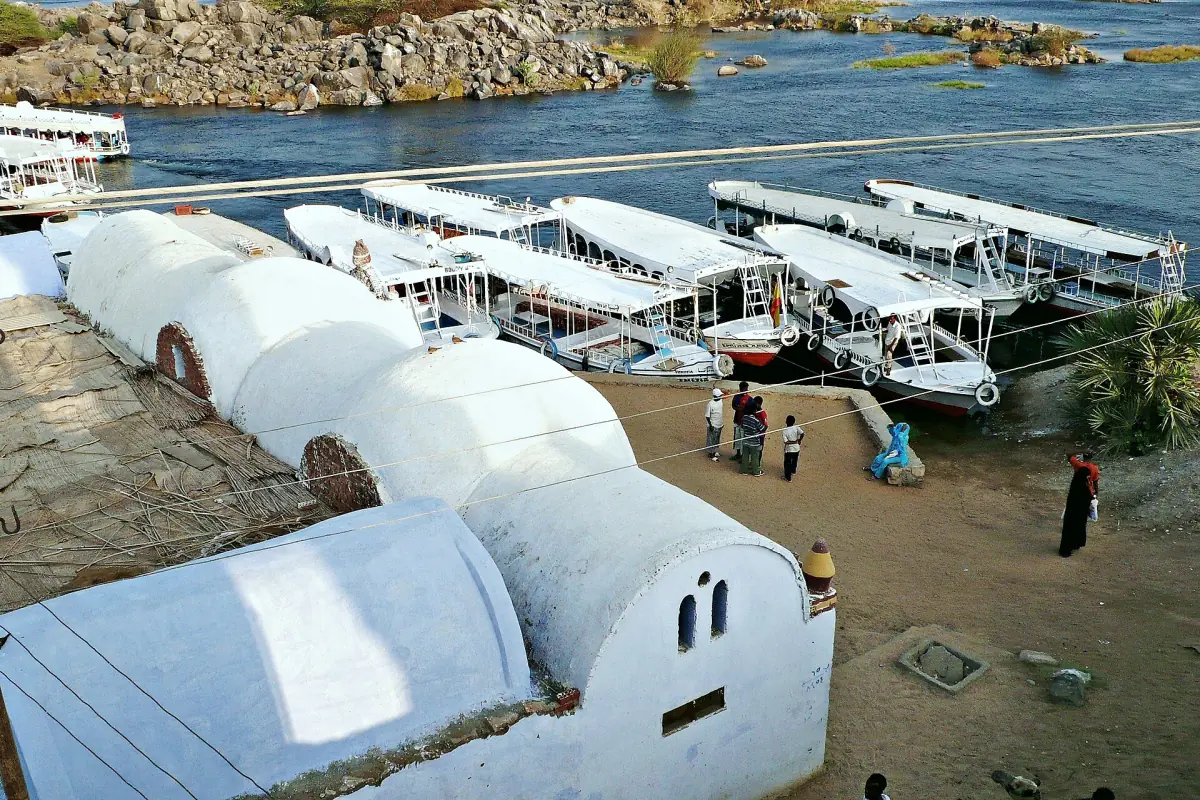
Nubian culture in Aswan at a glance
Nubia is the Nile valley south of Aswan, reaching into Sudan. The Nubian communities of southern Egypt are people with their own history, families and opinions, not one single group with one single view. This page gives a short, factual background and practical advice for visitors.
Around Aswan you meet Nubian life in villages such as Gharb Soheil and the island villages of Elephantine, in guesthouses and in the Nubian Museum. Most visitors come for the painted houses, the river and a meal with a host. Treat these places as homes and local businesses, not as an attraction.
History: the High Dam and the resettlement
The dam changed where Nubians live. It is part of the story, not the whole of it.
1964: villages flooded
Amnesty International describes the state displacement of thousands of Nubians from southern Egypt in 1964, linked to the building of the High Dam and the flooding of villages. This is a historical fact, not a new event of this year. The dam itself is covered on the page about the Aswan High Dam.
New places to live
Resettlement in the 1960s included new settlement areas, among them land in the desert near Kom Ombo, according to a study by the Carnegie Endowment. This is background from older sources. Visit the Kom Ombo temple page for the town itself.
Calls to return
Amnesty International documented in a report of April 2026 that Nubian activists demand return and compensation. They refer to Article 236 of the 2014 constitution. This is the position of named activists and associations. It is not the view of every Nubian, and it does not mean that a return program exists.
Nubian village trips from Aswan
Boat trips and village visits around Aswan, with live prices and availability.
Where you meet Nubian life today
No central ticket office and no single Nubian village product exist. Each place is run by the people who live there, so conditions differ from house to house.
- Gharb Soheil. A village on the west bank, upstream of Aswan. Guesthouses, meals and henna painting are offered there. A secondary source gives about 40 minutes by boat from Aswan. Do not mix it up with Sehel Island or Gharb Aswan north of the city. See Gharb Soheil.
- Elephantine Island. The villages of Koti and Siou are lived-in places beside an archaeological site. See Elephantine Island.
- Sehel. A separate island village. A local operator lists boat visits and old inscriptions there.
- Heisa. An inhabited Nubian island, where a guesthouse operator describes its location and food offers.
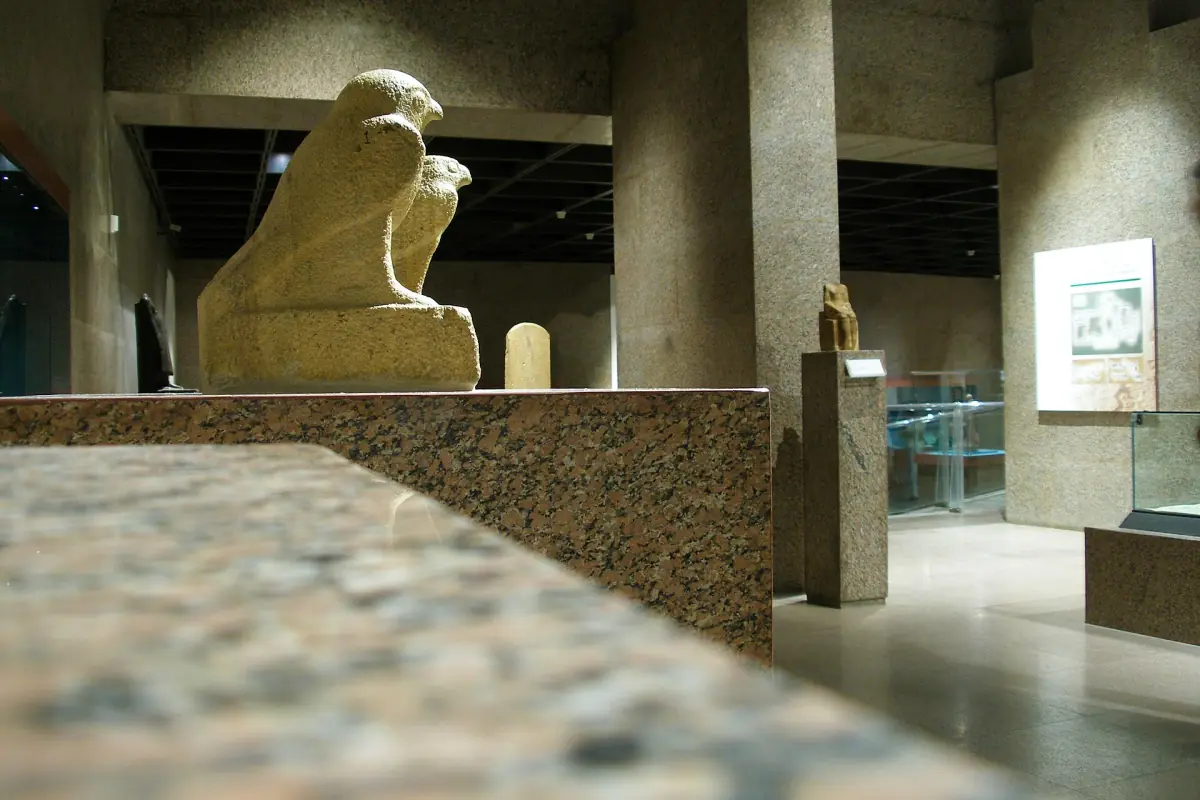
- The Nubian Museum. The museum in Aswan shows archaeology, traditions and crafts. See the page on the Nubian Museum.
Nubian culture: houses, guesthouses and daily life
What visitors can see and what is better left alone.
Painted houses
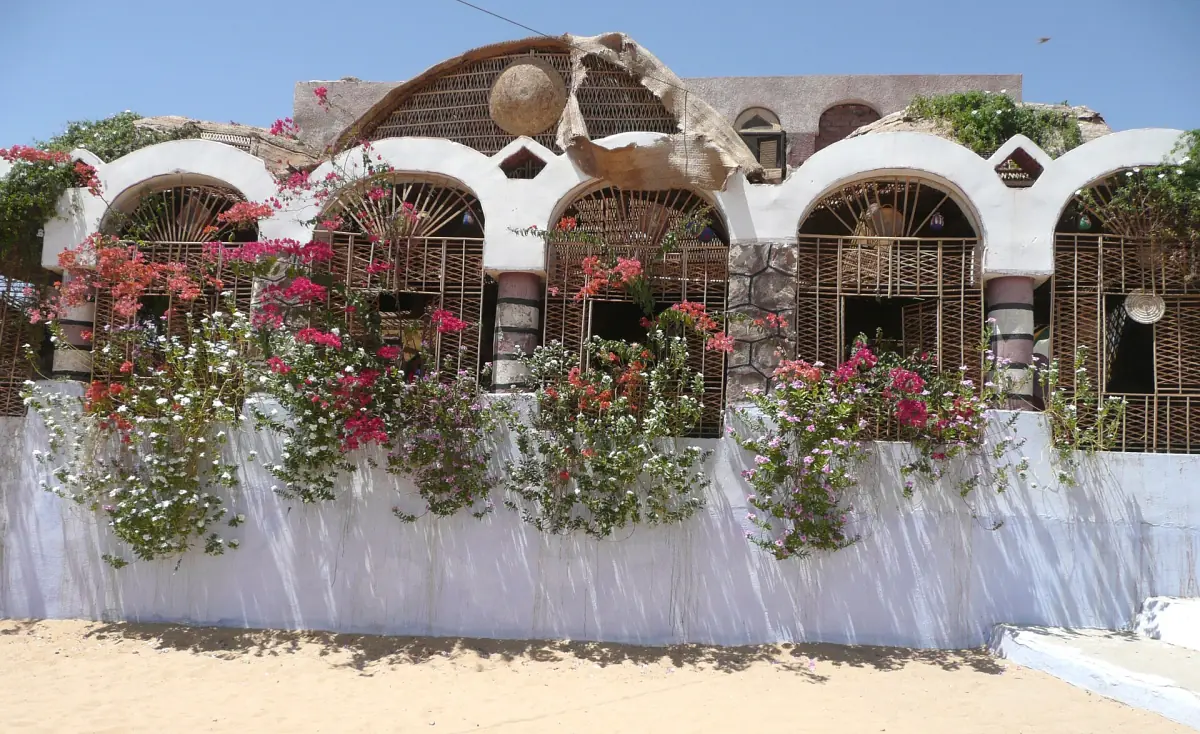
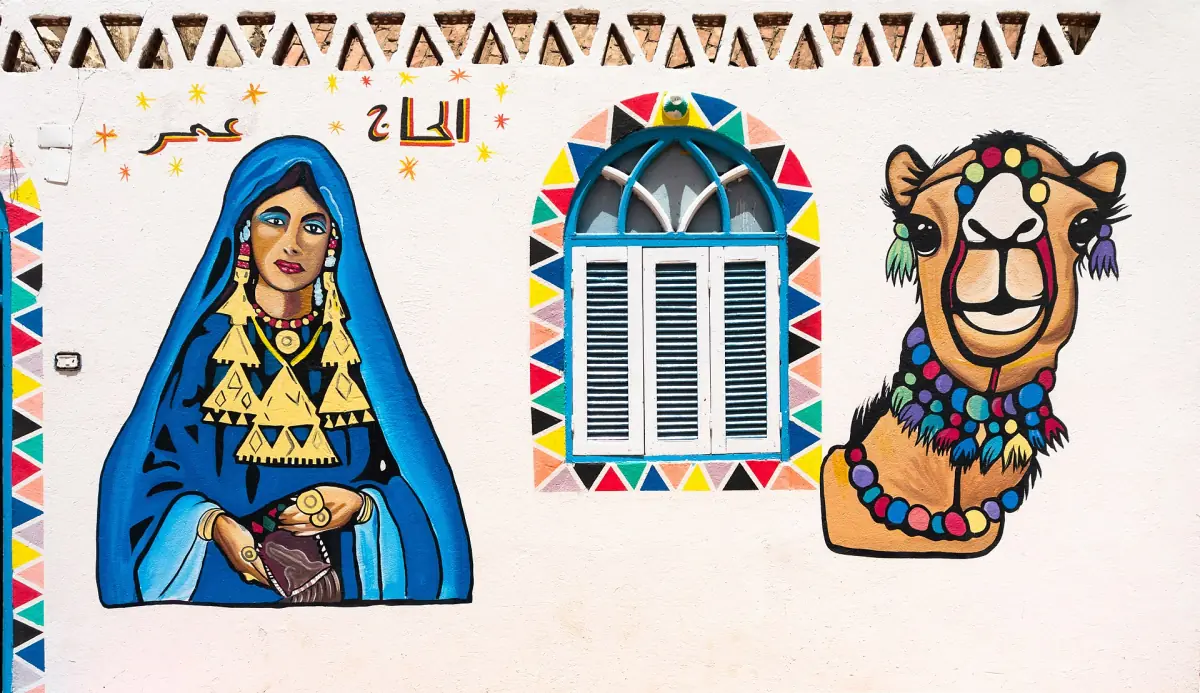
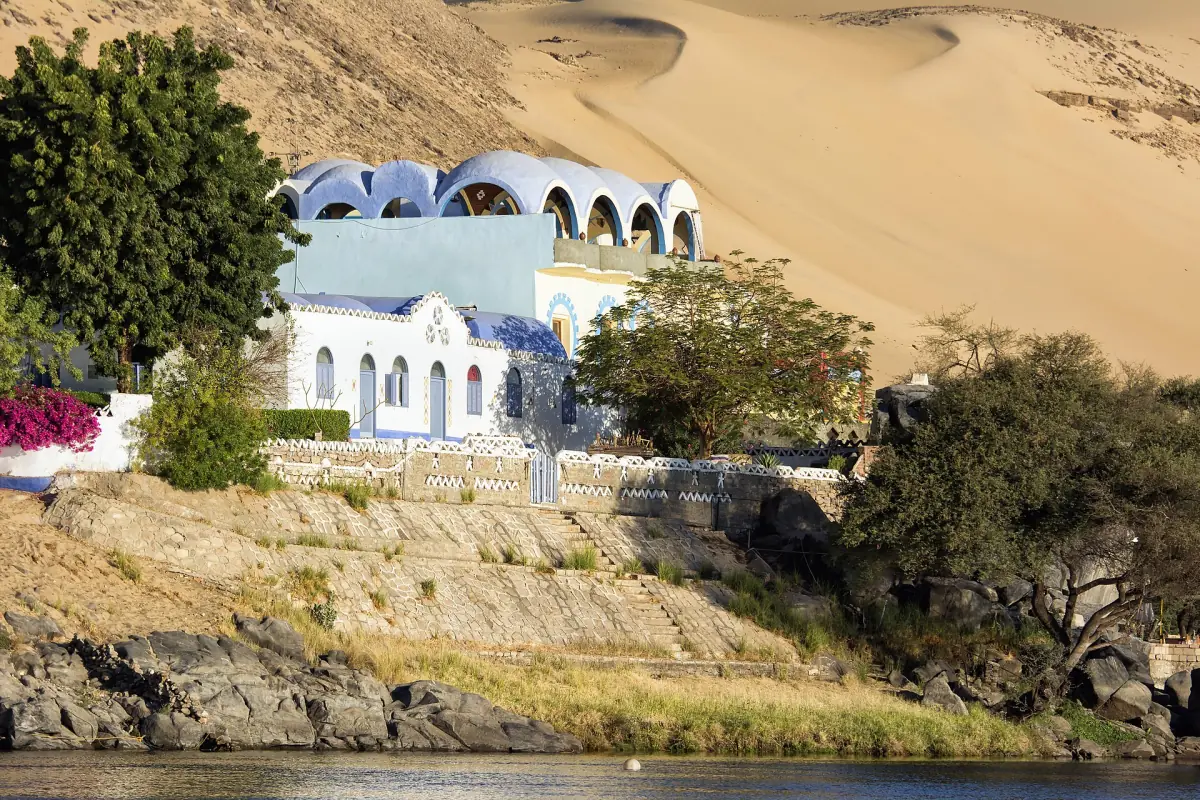
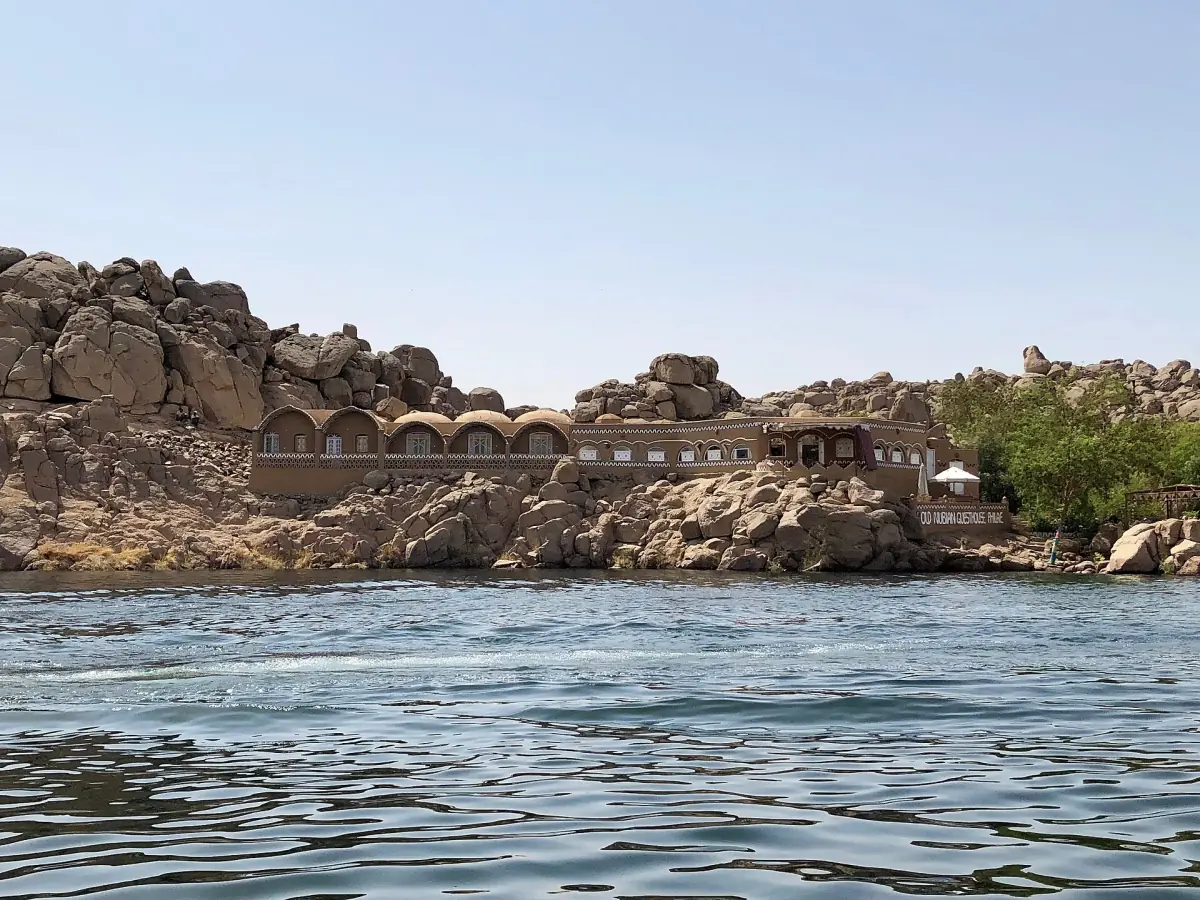
Many houses in the villages carry painted decoration, colored walls and arched fronts. Photograph them from the lane. A courtyard or a doorway belongs to the family inside.
Guesthouses
Some families rent rooms. A guesthouse is accommodation with a host, not a performance. Location differs: one operator lists rooms at an address on Kiki Island in Gharb Soheil, so check the exact place and how you get there before you book.
Henna
Henna painting is offered to visitors in some places. Ask about the price and the ingredients first. It is not part of every village visit.
No single culture
Do not assume that all Nubians share one way of life, one language or one political view. People differ, as they do everywhere.
Nubian food
Meals are often part of a village visit. Guesthouses and some families cook for guests, and such meals are paid services. A secondary source describes entry to Gharb Soheil as free and guesthouse and meal services as paid, but prices are agreed on the spot.
- Ask what is on the menu and what it costs before you sit down.
- Tell your host about allergies and dietary needs at the start.
- If a meal is part of a tour, check whether it is included in the price you were quoted.
Ask your host what they cook and let them explain it.
Crocodiles in houses: what to know
You may hear that some houses keep crocodiles.
Press photos from 2020 showed small crocodiles kept in houses in Gharb Soheil, in cages and in paid shows for visitors. That report is old and does not tell you what any house does now. In July 2026 the national environment agency stated that natural crocodile populations live in Lake Nasser, and it warned about private keeping and illegal trade as a danger for people, animals and the environment. The statement does not say that every house acts illegally.
What this means for you: do not assume a crocodile in a house is tame or harmless. Do not touch or hold the animals, and do not pay for photos with them. The lake is the natural habitat of the species.
How to be a good guest
A few habits matter more than any guidebook rule.
Ask before photos of people
Always ask first, and accept a no. Do not photograph children without a parent's permission.
Dress modestly
Cover shoulders and knees when you walk through the lanes. It is a respectful default.
Agree prices first
Settle the cost of a boat, a meal or a room before you use it. Ask politely, and decline politely.
Learn the history
The best preparation is a visit to the museum in town. It puts the villages in context.
The Nubian Museum
Tickets, opening hours and what the galleries show.
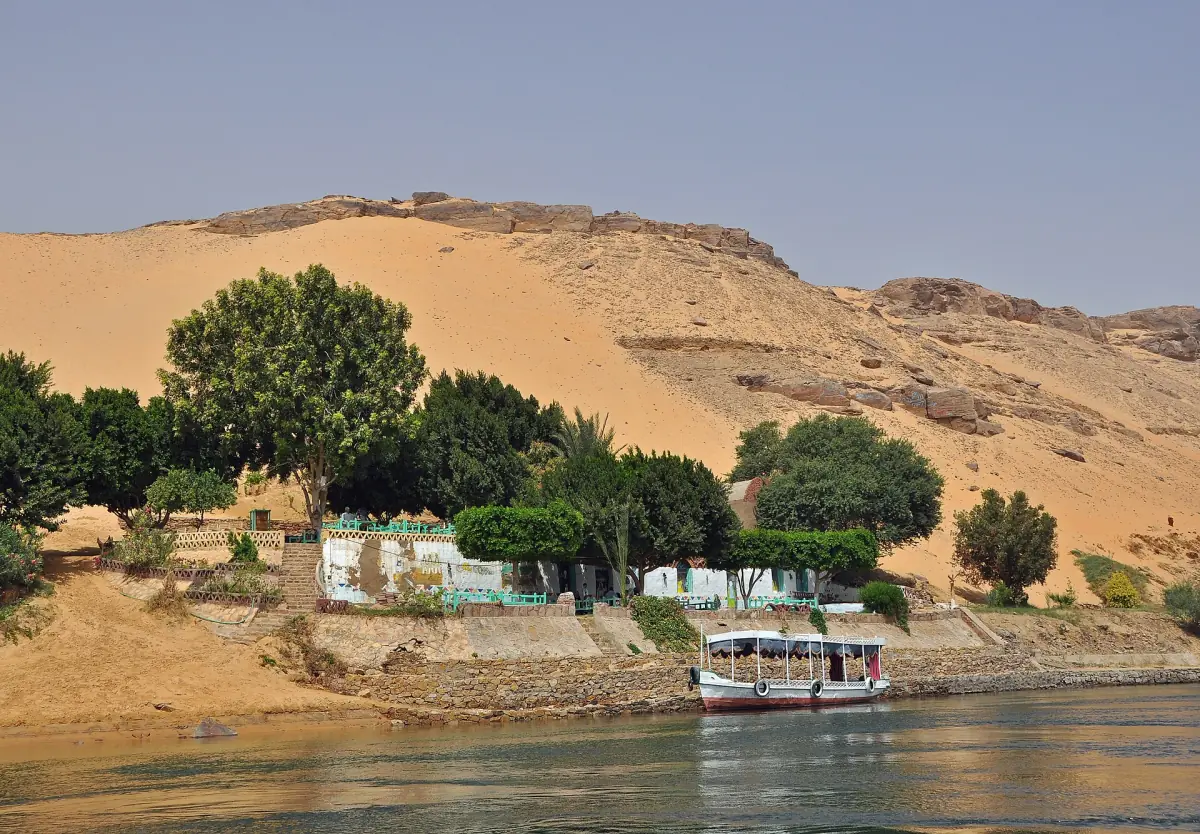
Gharb Soheil
How to reach the village and what to expect.
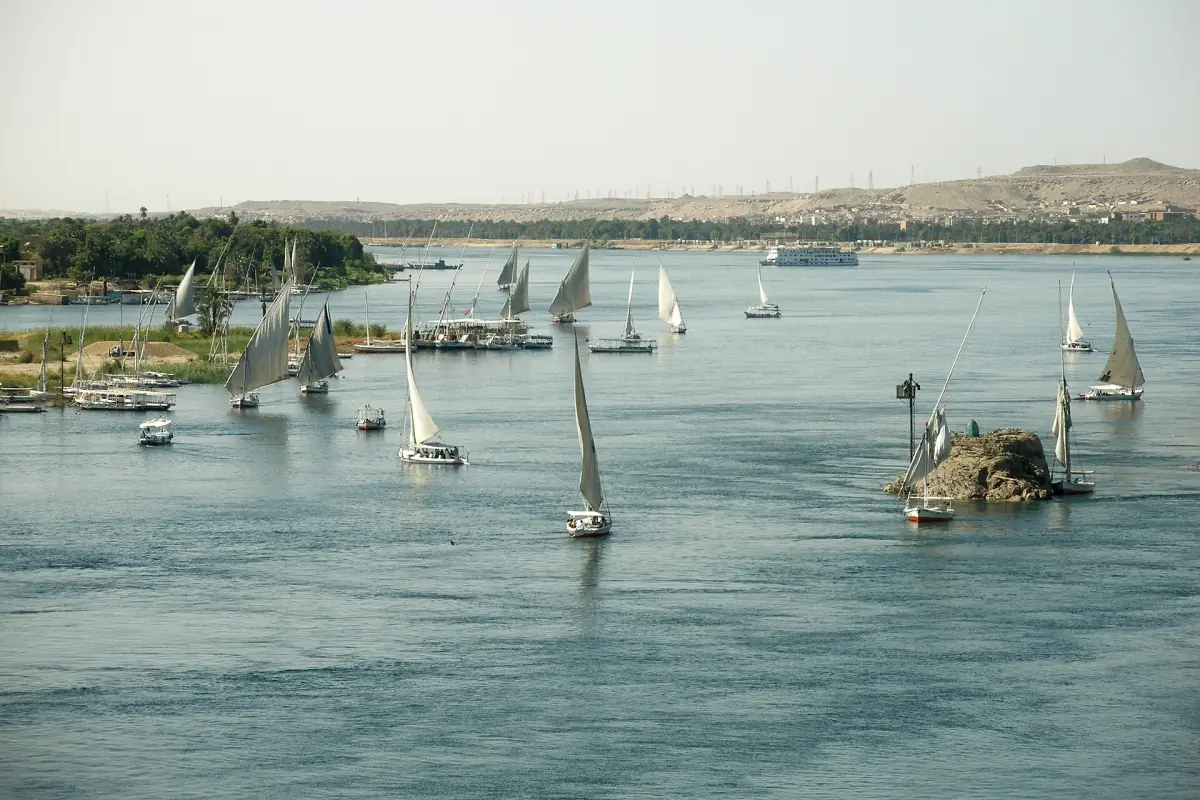
Felucca rides in Aswan
Routes and example prices.
If you continue north along the river, the sister guide Visit Luxor covers the temples of Luxor.
Nubian culture in Aswan: frequently asked questions
Who are the Nubians?
Nubians are people from Nubia, the Nile valley south of Aswan that reaches into Sudan. In Egypt many live around Aswan and Kom Ombo. They are not one uniform group.
Why were Nubians resettled?
Amnesty International describes the displacement of thousands of Nubians in 1964 in connection with the building of the High Dam and the flooding of villages.
Can I visit a Nubian village?
Yes. Gharb Soheil and the villages on Elephantine are the common choices. They are lived-in places, so be quiet, ask before taking photos and agree prices before you use a service.
Is there an entry fee for the village?
One secondary source describes entry to Gharb Soheil as free and guesthouse and meal services as paid. Prices are agreed on the spot, so do not count on free services.
Should I hold a crocodile for a photo?
No. Do not touch or hold the animals. The national environment agency warns about private keeping and illegal trade, and a crocodile in a house is not a pet.
Where can I learn more about Nubian history?
The Nubian Museum in Aswan shows the archaeology and culture of Nubia, with dioramas of traditions and crafts and a reconstructed house in its garden.