Elephantine Island at a glance
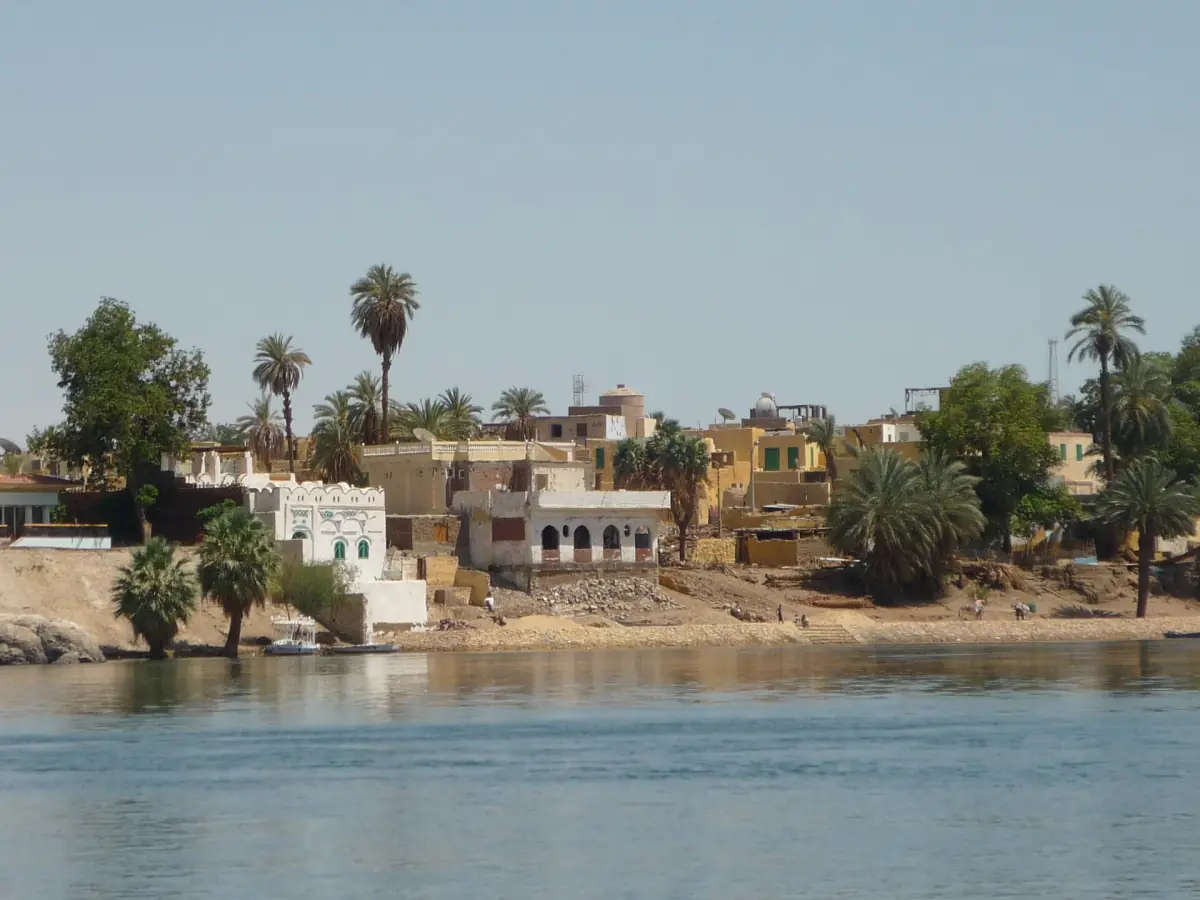
Elephantine is an island in the Nile facing the city of Aswan. People live on it today, and people lived on it in antiquity. The two parts of the island are easy to mix up, so it helps to separate them from the start.
The modern villages are Koti and Siou. The archaeological site sits at the southern tip, where the ancient settlement stood. Koti borders the archaeological zone on the north side. A German research mission has worked at the site since 1969.
Only the archaeological site has a ticket. The villages are homes, not an exhibit, so you walk through them the way you would walk through any neighborhood.
Two places on one island
What you see depends on which end of the island you walk to.
The villages: Koti and Siou
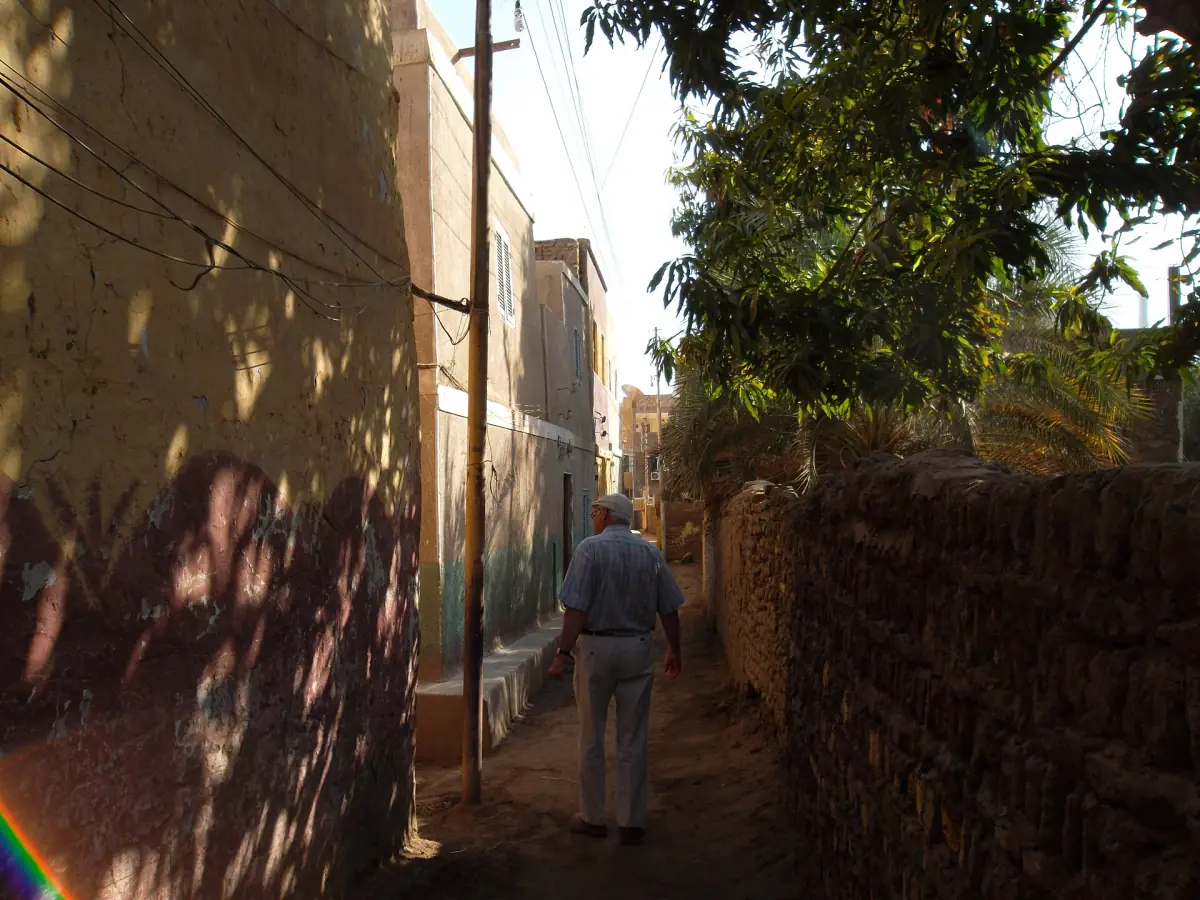
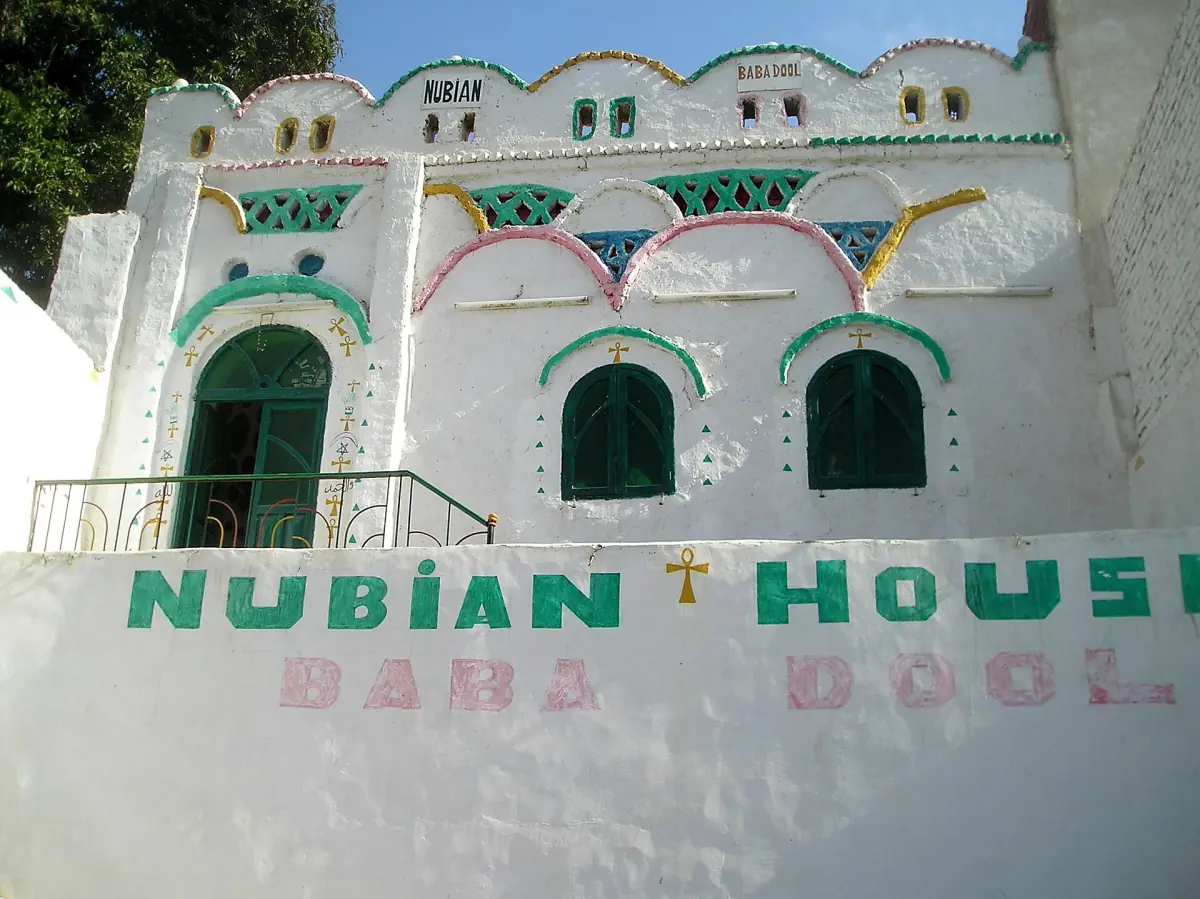
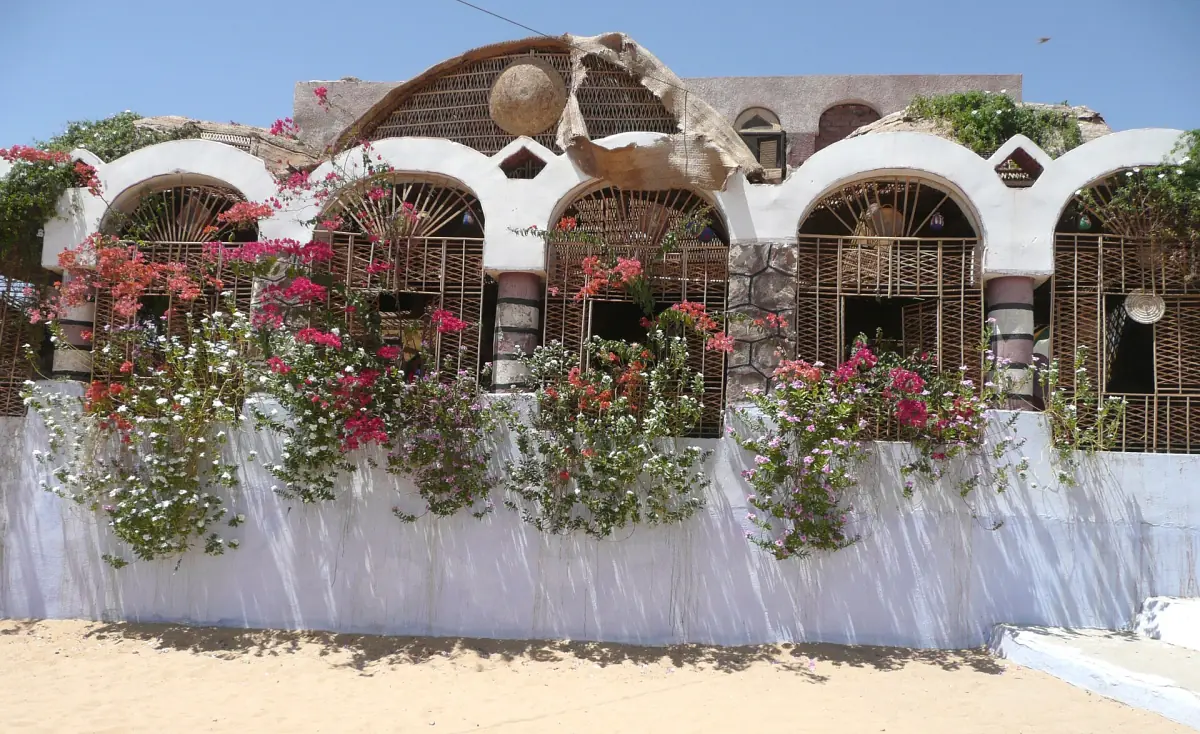
These are the living Nubian settlements of the island. You find narrow lanes, painted house fronts and small boats along the shore. The island is a good place for a slow walk with no fixed program. Read more about the people and their history on the page about Nubian culture.
The archaeological site
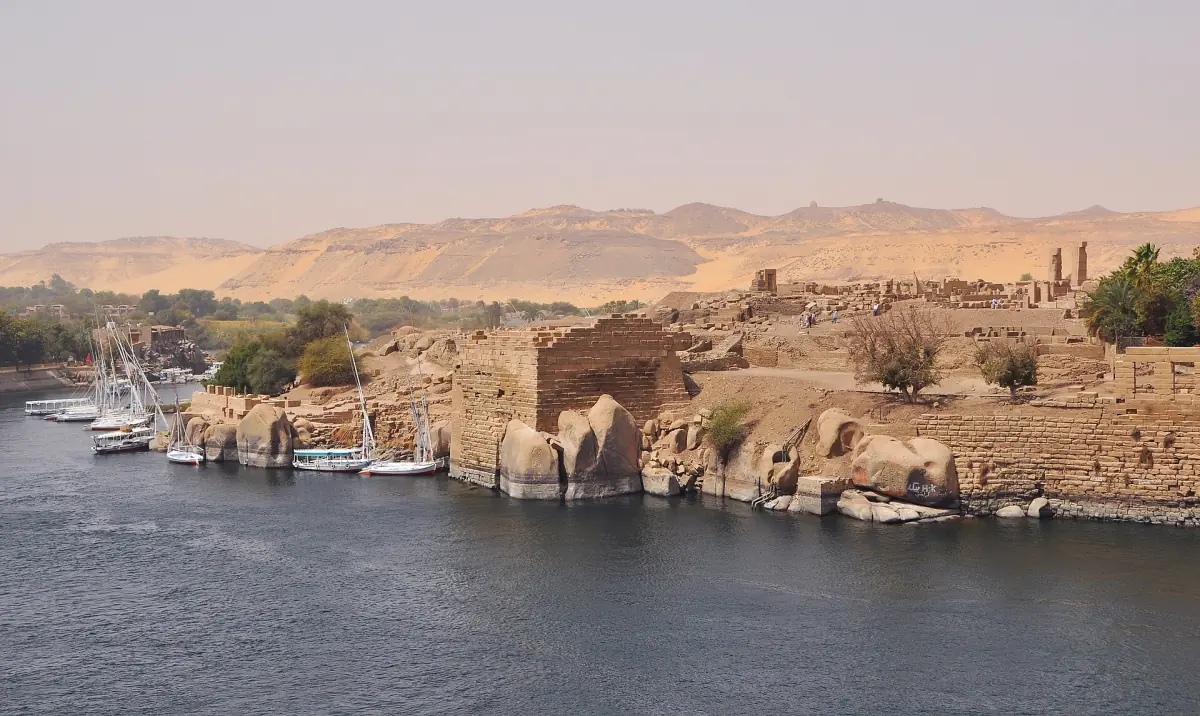
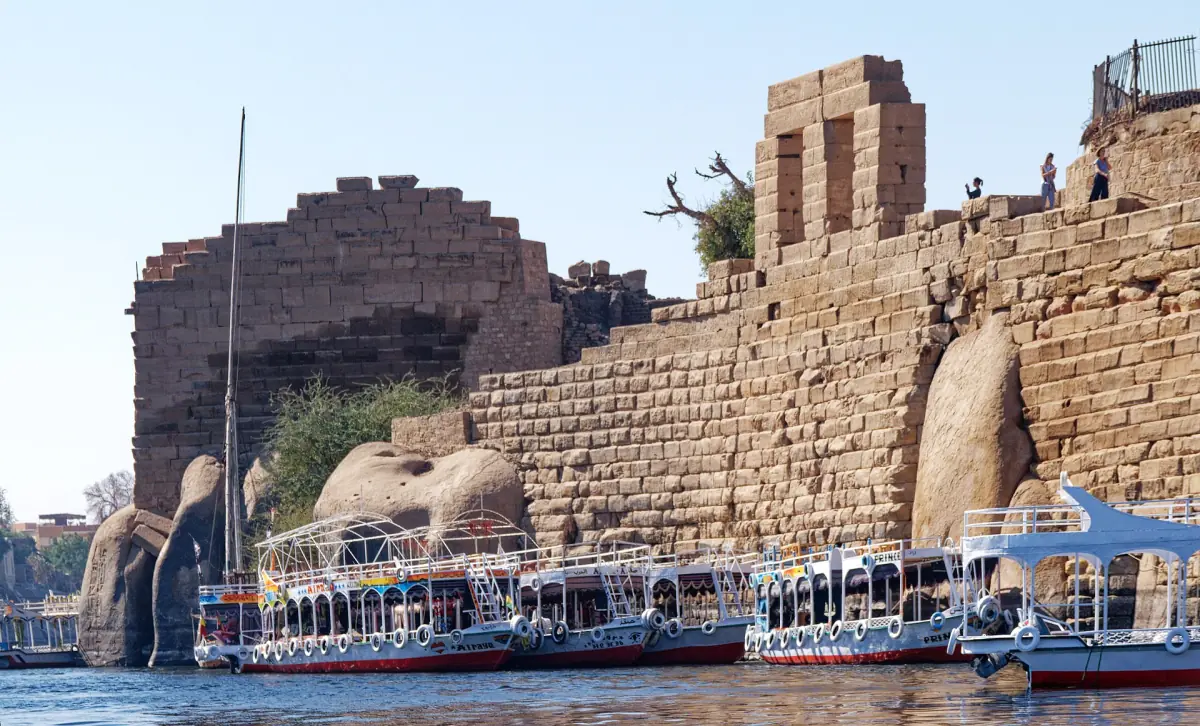
At the southern tip lie the remains of houses and of sanctuaries of the gods Khnum and Satet, plus a nilometer. The ruins are spread out, so wear sturdy shoes.
The museum next to the ruins
A museum beside the site shows finds from the German excavations. Which rooms are open can change, so ask at the ticket office when you arrive.
Tours that include Elephantine
Boat trips and city tours around Aswan, with live prices and availability.
The archaeological site: tickets and hours
The ministry that runs Egypt's antiquities sites lists the prices below for the archaeological site. They are published prices for 2026, not confirmed checkout prices, so treat them as a guide. The ticket covers the archaeological site only. It is not an entry fee for the island or the villages.
| Visitor | Adult | Student |
|---|---|---|
| Foreign visitors | EGP 200 | EGP 100 |
| Egyptian visitors | EGP 20 | EGP 10 |
The site is listed as open daily from 08:00 to 16:00, with no weekly closing day. Arrive well before 16:00 to be sure of entry. Prices and hours can change, so check the current notice at the gate.
What you can see
The sights are small and spread out. Plan a slow visit, not a checklist.
Sanctuaries of Khnum and Satet
The ministry names house remains and sanctuaries of Khnum and Satet as the main sights.
The nilometer
A nilometer is a stair or shaft used to measure the river level. The ministry lists one on the island among the sights.
Views over the river
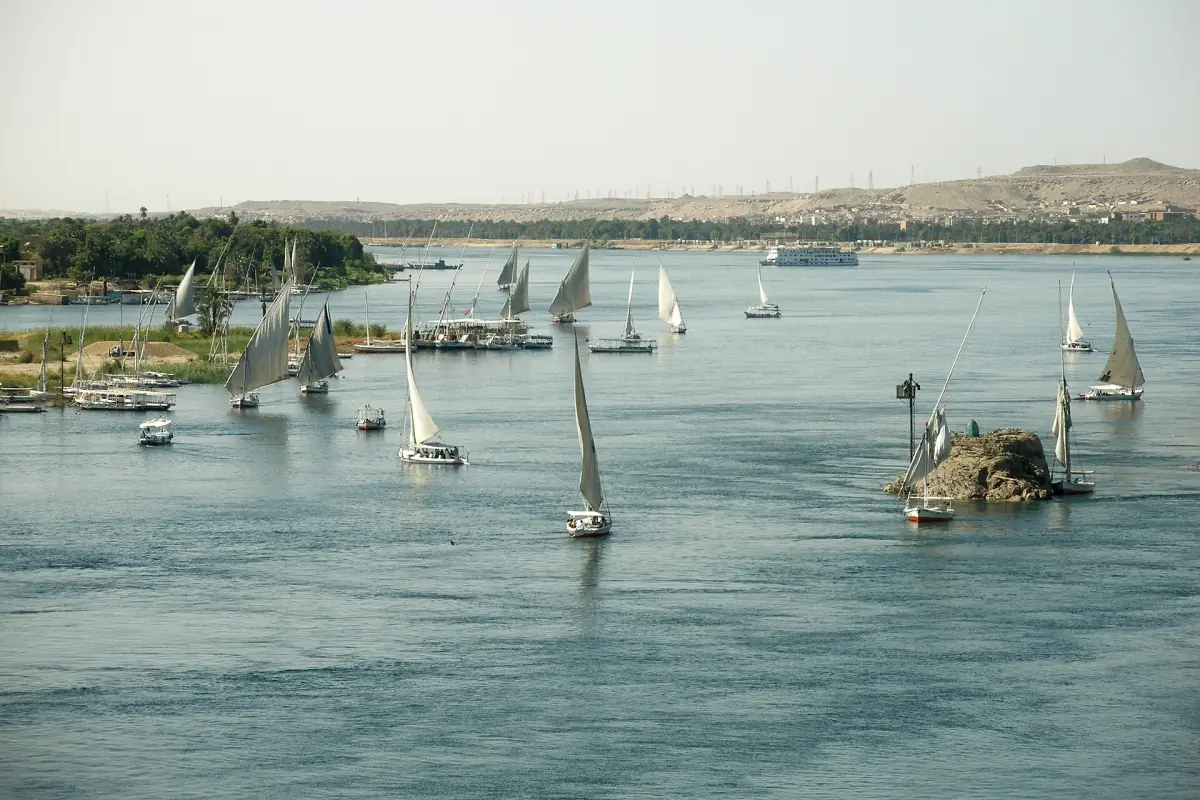
From the ruins you look over moored boats and across to Aswan. Late in the day the light on the water is good for photos.
Parts that stay closed
The excavation is an active research project. Some study areas lie outside the public zone and are not open to visitors. Do not climb over fences or walk into trenches.
Walking through the villages
The lanes are narrow and many houses are painted. This is an everyday neighborhood. A few habits keep the visit respectful.
- Ask before you photograph a person. Photos of houses from the lane are usually fine, but doors and courtyards are private.
- Keep your voice low and stay on the lanes. Do not look into houses.
- If someone invites you for tea or a meal, ask about the price first if there could be one. Say a clear and friendly no if you do not want it.
- Agree on the price of guesthouse services, meals and boat rides before you use them.
Treat any guesthouse or shop as a local business, not as a show. For places to sleep on the island and on the Aswan banks, see where to stay.
Two different museums
The island has more than one museum, and they are not the same.
The museum at the ruins
This is the finds museum next to the archaeological site. It shows objects from the German excavations.
The private Animalia museum
One local operator describes Animalia as an information center about Nubian life, nature and culture. It is a separate, private place with its own rules. Ask at each door what a ticket covers.
The Nubian Museum in town
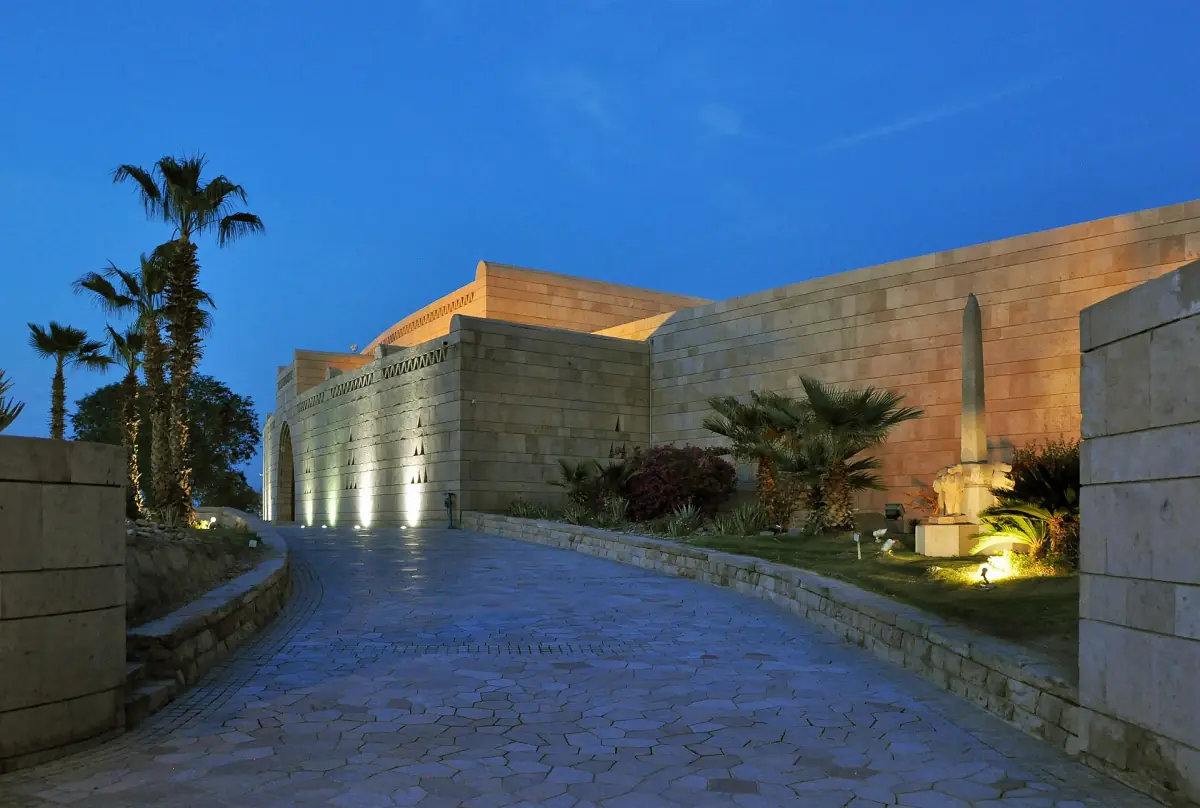
The big museum on Nubian history is on the mainland, not on the island. See the page on the Nubian Museum for tickets and hours.
Getting to Elephantine and planning your day
The island sits directly across from the Aswan waterfront.
You reach the island by boat. Ask your hotel or a local boatman for the current arrangement and agree on the return trip before you cross. Do not assume a late-evening boat back.
Many visitors combine Elephantine with a sail on the river. A felucca ride past the island is a gentle way to see it from the water. The page on felucca rides lists example prices.
Aswan is hot in summer. Long-term averages for the city show daily highs of about 41 degrees Celsius from June to August. Visit the ruins in the morning in those months, and carry water. The page on the weather in Aswan has the monthly table.
The sister guide Visit Luxor covers the large temple sites further north, if you continue your trip along the Nile.
Elephantine Island: frequently asked questions
What is Elephantine Island?
It is an island in the Nile opposite Aswan. It has the modern villages of Koti and Siou and, at its southern tip, an archaeological site of an ancient settlement.
How much does it cost to visit Elephantine?
The archaeological site charges EGP 200 for foreign adults and EGP 100 for foreign students, based on the ministry's published 2026 prices. This is a site ticket, not an island entry fee. Walking in the villages needs no ticket.
When is the archaeological site open?
It is listed as open daily from 08:00 to 16:00. No weekly closing day is given. Check the notice at the gate for the current hours.
Is the whole island an archaeological site?
No. The ruins are at the southern tip. The villages of Koti and Siou are lived-in places, and Koti borders the archaeological zone on its north side.
Can I stay overnight on the island?
A resort is located on the island. Check the exact location of any place and how you get there before you book.
Can I take photos of people in the villages?
Ask first and accept a no. Photos of houses from the lane are normally fine. Children and people at home should not be photographed without permission.